Fabric

What is Fabric

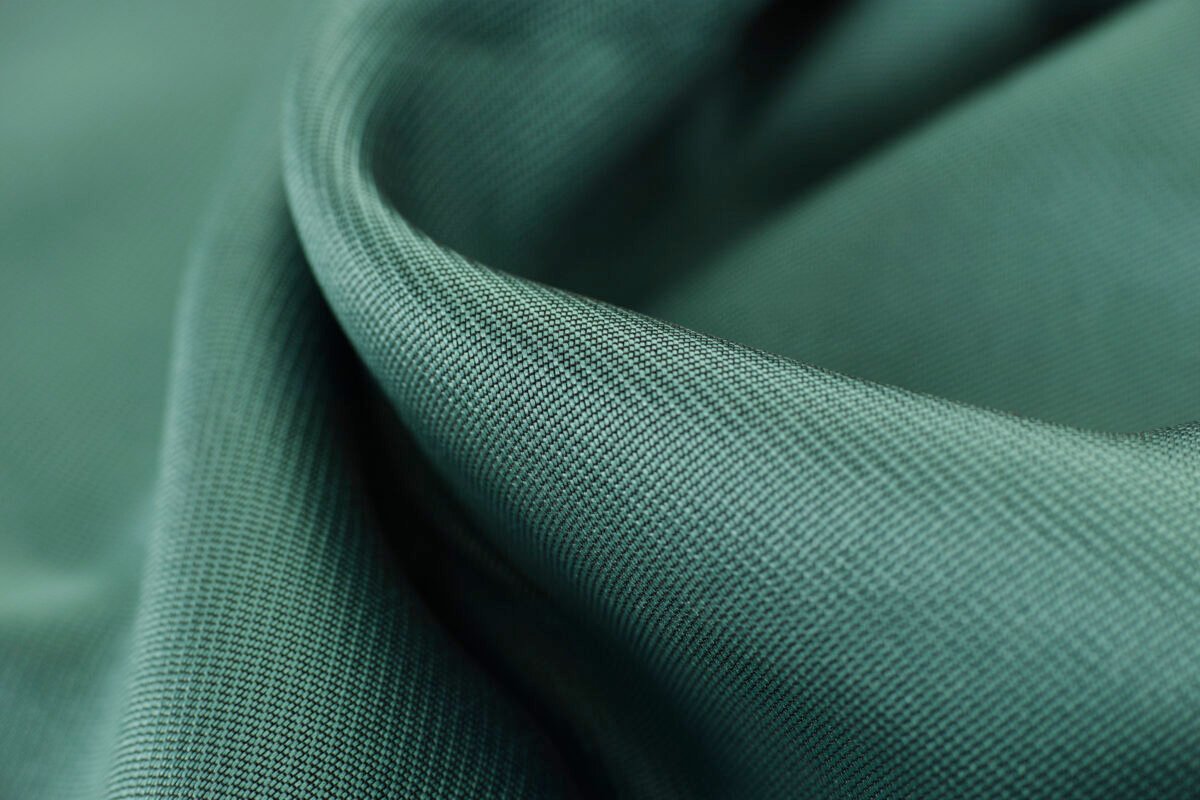
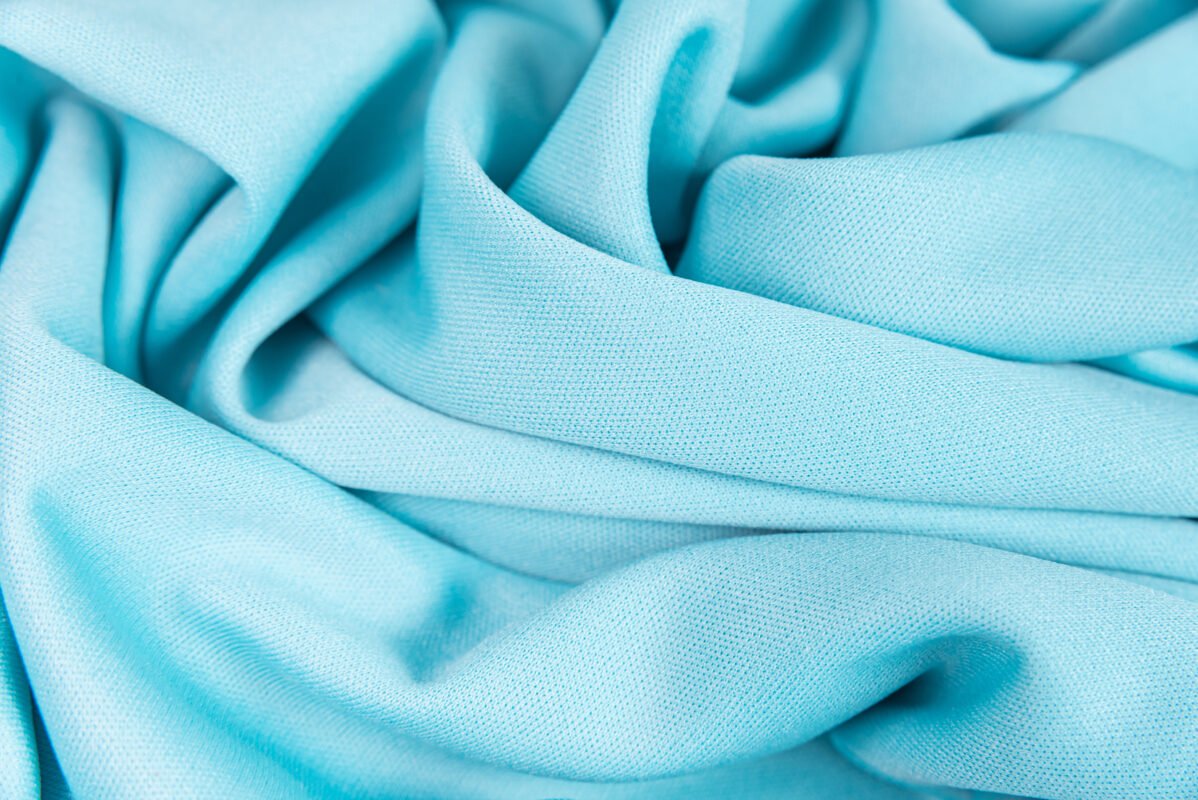
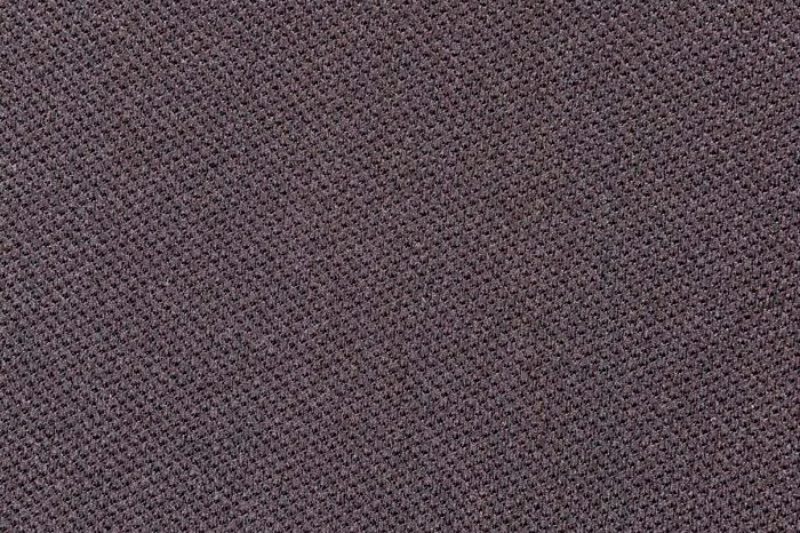
Fabric is a material made by weaving, knitting, crocheting, or bonding fibers together to create a flexible, durable textile. It can be made from natural fibers (like cotton, silk, wool) or synthetic fibers (like polyester, nylon, spandex).

Uses of Fabric:
  • Clothing: Garments for daily wear, formal wear, and uniforms.
  • Home textiles: Bed linens, curtains, upholstery, and towels.
  • Industrial applications: Tents, bags, ropes, and protective clothing.
  • Specialty items: Costumes, sportswear, medical textiles, and decorative items.

Fabric is essentially the foundation of textiles, providing both functionality and aesthetic appeal in everyday life.

Different Types of Fabric:
  1. Natural Fabrics: Made from animal or plant fibers.
  • Cotton: Soft, breathable, and comfortable; used for shirts, dresses, and bed linens.
  • Silk: Smooth, shiny, and luxurious; used for sarees, ties, and evening wear.
  • Wool: Warm and insulating; used for sweaters, coats, and blankets.
  • Linen: Lightweight and breathable; used for summer clothes and home textiles.
  1. Synthetic Fabrics: Made from man-made fibers.
  • Polyester: Durable, wrinkle-resistant, and easy to care for; used in clothing, upholstery, and sportswear.
  • Nylon: Strong, elastic, and quick-drying; used in active wear, stockings, and outdoor gear.
  • Spandex/Lycra: Highly stretchable; used in sportswear, swimwear, and leggings.
  • Acrylic: Warm and lightweight; often used as a wool substitute in sweaters and blankets.
  1. Blended Fabrics: Combine natural and synthetic fibers to improve comfort, durability, and appearance.
  • Examples: Cotton-polyester blends, wool-nylon blends, silk-polyester blends.
Why Polyester Fabrics Are Optimized Specially for Sportswear:
  • Moisture Management: Fabrics like polyester and nylon help wick sweat away from the body.
  • Stretch & Recovery: Spandex gives freedom of movement and retains shape even after repeated use. 
  • Durability: Synthetic fibers are tough, resistant to wear and tear, and maintain their performance over many wash cycles. 
  • Lightweight: Sports fabrics need to feel light so they don’t weigh you down during physical activity. 
  • Quick Drying: Important for performance — you don’t want sweat soaking into the fabric.

CATEGORIES OF FABRIC

Polyester

Quick-drying and abrasion-resistant, perfect for sports shorts and athletic  T-shirts.

Spandex (LYCRA)

Highly elastic, ideal for activities like yoga and Pilates, providing enhanced comfort during movement.

Nylon

Known for its durability and elasticity, nylon makes sportswear comfortable, flexible, and resistant to wear.

Jacquard

Durable, breathable Jacquard fabric that moves with you.Ensures comfort and flexibility during any activity.

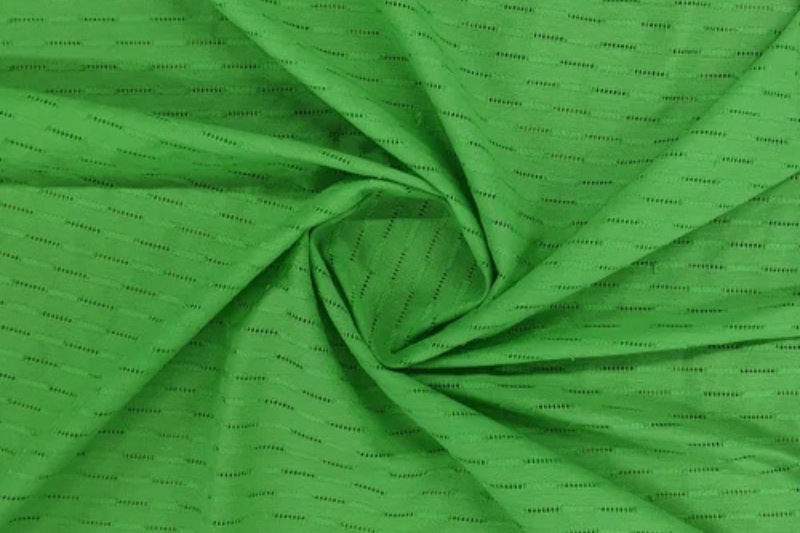
Mesh

Highly breathable, keeping you dry during high-intensity workouts.

Fleece

Soft and warm fleece fabric designed for all-day comfort. Perfect for winter workouts, travel, and casual wear.

Cotton

Soft and breathable, ideal for yoga and Pilates apparel, catering to eco-conscious brands.

Microfiber

Smooth and luxurious, used in athletic T-shirts and leggings for a premium feel.